Fiction, Series & Collections

The Union Street Bakery, by Mary Ellen Taylor

15808324

Abandonment issues can create a lot of confusion and conflict in a person’s life. They are often experienced by adopted children or children of divorced parents. They can continue long into adulthood. In Daisy McCrae’s situation, her abandonment issues go even deeper than most because she can actually recall the day it happened. She was three years old, sitting outside the Union Street Bakery with her mother. She was munching on a sugar cookie with red sprinkles. It was a day like any other. And then it wasn’t. Her mother was gone.

The Union Street Bakery, by Mary Ellen Taylor, catches up with Daisy 30 years later. Like that moment in her childhood, everything was fine until it wasn’t. Except that it wasn’t really fine, because that day her mother left became a heavy weight that remained shackled to Daisy ever since. She had tasted success, she knew the love of an adopted family, she even knew the love of a man, but the unanswered questions loomed like heavy clouds before a storm.

The story begins when Daisy’s professional life takes a U-turn, forcing her to return home to her family, the current generation of McCraes and owners of the Union Street Bakery. Part drama, part mystery, part romance, Daisy has plenty of choices to make. And, like with all of us, there are events she can control and those she cannot. And like all of us, there are emotions she can either indulge…or not.

This is a book that I’m still deciding how much I enjoyed. When an elderly, long-time customer leaves Daisy an old journal the plot takes some interesting, albeit confusing, twists. There are times when the author is trying to accomplish so much that I would’ve preferred a simpler story. Some Goodreads reviewers criticized the use of profanity. I agree on that point and will deduct one whole “star” because of it. If only Daisy had resorted to certain words I would’ve attributed it to her frustration, but that wasn’t the case and it was unnecessary.

Still, I’m curious to see what happens next and will probably read Sweet Expectations, the next book in the series. Daisy McCrae may not be the most likable protagonist, but she is compelling, and I still wish good things for her in the future.

7.5/10 Stars
 

Fiction, Romance

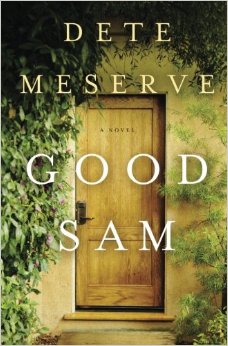
Good Sam, by Dete Meserve

51D1qb1-T9L._SY344_BO1,204,203,200_Good Sam, by Dete Meserve, is a book that has been patiently sitting in my Kindle Cloud for months. It has positive reviews on Amazon and Goodreads and, as a reader who does not like wasting my time on a book that shows little promise, I decided to give it a try.

“Good Sam,” stands for “Good Samaritan,” a modern-day version of the Biblical character who is charitable for charity’s sake. Or is he? (Or she.)

Someone has been anonymously leaving bags of one hundred thousand dollars on people’s doorsteps throughout Los Angeles. The recipients come from a variety of neighborhoods and socio-economic backgrounds, so why were they chosen? The question of who is behind these seemingly random acts is the novel’s backbone. Kate Bradley, a 20-something beat reporter for Channel 11 has been assigned to the story.

Unfortunately, what could’ve been an inspired plot about true kindness in a fast-paced, metropolitan setting, was actually a flimsy romance. Kate is a protagonist who fails to earn my sympathy or appreciation. Alternately strong and independent, she acts weak and distressed in the arms of the right man. She claims to be someone who pursues and respects truth, but she is very selective in whose lies she forgives. Essentially, a maddening character who I found myself rolling my eyes at again and again.

In addition, as someone who was born and raised in Los Angeles, I found the city’s portrayal ridiculous and full of stereotypes.

I wanted to enjoy this book, but its initial potential quickly waned. As I said, I don’t like to waste my time as a reader, so I will say that the main redeeming quality of Good Sam was how fast I was able to finish it.  (I started it last night.) The zigzag ending only confirmed what I figured out less than halfway into the novel, and even that was barely worth my time. Sadly, if you are a reader in search of substance, I advise you look elsewhere.

6.5/10 stars


Fiction, History

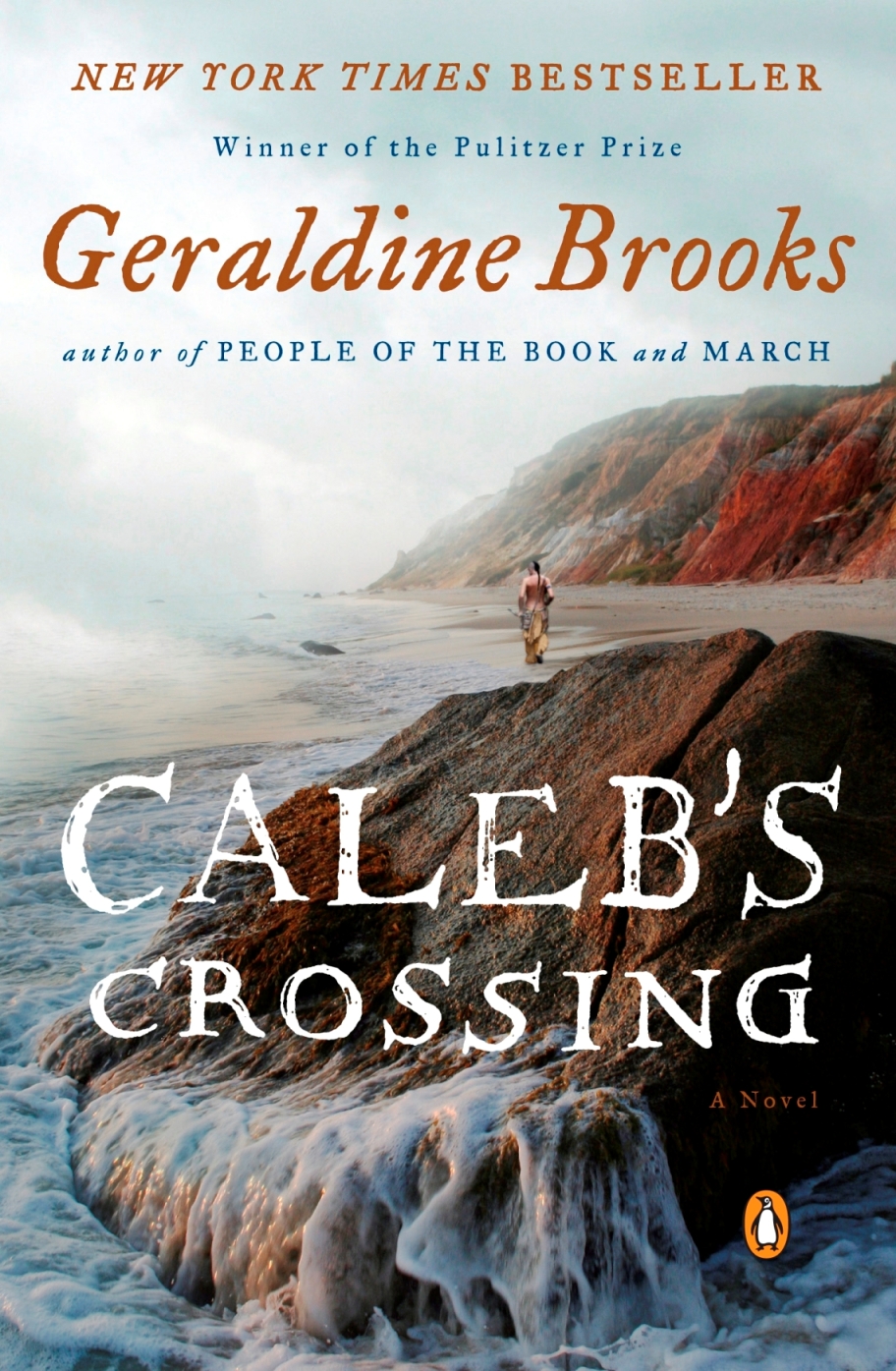
Caleb’s Crossing, by Geraldine Brooks

PB.Cover_.Calebs-Crossing

Once again, I had spoken too freely. I seemed too dense witted to learn the simple lesson: silence was a woman’s sole safe harbor.

These are the profound words of Bethia Mayfield, the voice in Caleb’s Crossing, by Geraldine Brooks. Profound, because they sum up the expectation imposed upon Puritan women in the 1600’s. Be seen, not heard. Be dutiful, modest, productive, obedient, submissive, and grateful.

And what of happiness? Happiness was a luxury. Life at that time was about attending to basic needs: food, shelter, clothing. Intellectual pursuits were reserved for males, and on “the island” described in the novel, a few males of the Wampanoag tribe as well. Caleb, for whom the novel is named, is one of them. Although a supporting character, some of the questions he asks and the identity he adopts makes the reader re-examine which people are savage and which are truly educated and dignified.

Hardship permeates throughout. The white men and native people try to coexist, but an undercurrent of determined hostility lingers. The word “sonquem” is used frequently. The best definition I could find of “sonquem” was “conquered.” In the novel’s context, the English buy or take land from the sonquem, the conquered people.

This is a novel which requires attention and commitment. The language is elevated, yet lyrical, and through Bethia’s eyes we come to understand that she is much more than what she shows others, and certainly much more than they acknowledge.

The characters experience great losses, disease, racism, indentured servitude, and public humiliation. At a time when most were endeavoring to be as Christian as possible, compassion and mercy were virtues rarely called upon. However, despite the bleak setting, we also see characters experience self-realization, regret, and love.

As the reader, I was motivated by Bethia’s fortitude and creativity during extreme trials of all varieties. At the end of the story, she calls Caleb a hero. In her eyes, perhaps he was. I think her modest nature and humble upbringing prevented her from realizing all that she accomplished, which you will see when you enter her world. I’m happy I did.

8.5/10 Stars