Biography, Black History, History, Nonfiction, Young Adult

The Life of Frederick Douglass, by David F. Walker

For the second time in two weeks I am completely bowled over by a book I discovered accidentally. I have so many thoughts right now…

With so much racial unrest happening I feel that one of the things we need to do is get at the core–its history and its reasons. Obviously, there is no one alive right now who can tell us what it was like to be a slave in the United States during the 1800’s, but when you read Frederick Douglass’s own words, you get pretty close.

I learned so much about this important historical figure who I thought I already knew. When I read about Harriet Tubman and the early suffragettes, Susan B. Anthony and Elizabeth Cady Stanton, Frederick Douglass is always mentioned. But until now, I did not know his personal history.

In this powerful book you learn about his entire life, from birth to death: his boyhood, his mother, his escape, his wife and children, and, of course, his determined quest to help abolish slavery.
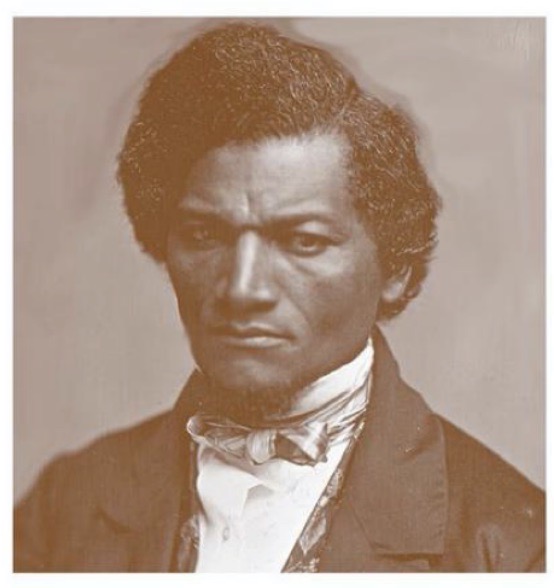
Although it was not the custom at the time, Frederick Douglass purposefully looked into the camera when his picture was taken. He felt it showed his humanity and resolve.

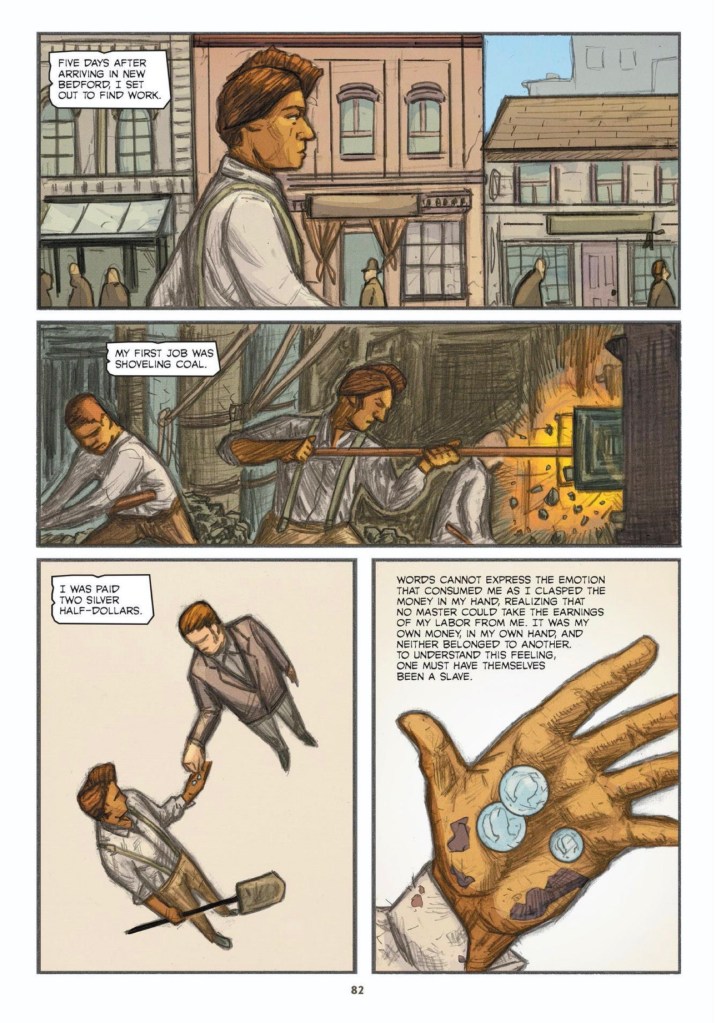
This particular screen shot is one of many quotes by Douglass that made me realize the amount of guilt he often felt. Throughout his life he dealt with much internal conflict, always wondering if he was doing enough to help the slaves and always putting pressure on himself to be an example of dignity. He felt great responsibility to show others that a (former) slave is a person with intelligence and emotion, not just a piece of property to be bought, sold, and abused.

I highly, highly recommend this graphic novel to adults and young people. (Probably a mature 10 years old and older.) Although it chronicles an era of the past, its themes are still relevant. Mostly, that while many agree that change needs to happen, they differ on how to achieve that change. Until that question is resolved, how can things be different?

10/10 Stars

This book is available on Amazon.com, or perhaps your local digital library, which is where I found it. Just look at these amazing drawings by David F. Walker:
Biography, Faith, Faith and Religion, Nonfiction, Religion

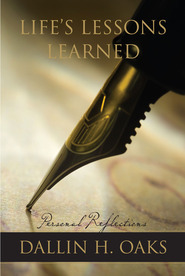
Life’s Lessons Learned, by Dallin H. Oaks

If you’re familiar with Dallin H. Oaks, you know he is nothing if not certain when he speaks. As the senior apostle in the Quorum of the Twelve in The Church of Jesus Christ of Latter-day Saints, some might even describe him as intimidating. I have felt that too, until about a year ago when I heard him being interviewed, alongside his wife, on a podcast. Hearing him speak freely, as opposed to giving a speech, humanized him to me. It was then I had new respect for the man.

Life’s Lessons Learned, published in 2011, is a book with a simple format. President Oaks (he is called “president” because of his current Church calling in the First Presidency) shares different events from his life and the outcomes of those events. The oldest of three children raised by a single mother after his father died of tuberculosis when he was 11, Dallin H. Oaks is the definition of self-made. Trained as an attorney, his legal resume is very impressive. However, the majority of his adulthood has been devoted to Church service, and it will be that way for the rest of his life.

The book is divided up into three chronological sections, each with brief experiences and the lessons learned from them. The sum of its parts being that anything we go through, good or bad, has something to teach us. The more self-aware person will take that information and apply it. Sometimes the lessons come from observing others as well.

There are many wonderful things to glean from the book, but I think my favorite was the one on “labeling.” Here is an excerpt:

“We should be careful not to label or define ourselves (or others) by some temporary quality. The only single quality that should characterize us is that each of us is a son or daughter of God. That fact transcends all other characteristics….

“When we choose to define or label ourselves (or others) by some characteristic that is temporary or trivial in eternal terms, we de-emphasize what is most important about us (or them) and overemphasize what is relatively unimportant. This label can lead us down the wrong path and hinder our eternal progress.”

I could not help but think about recent events and run this section through that particular filter. Lately it feels like excessive labeling (and generalizing) is leading to society’s downfall.

That is only one of many examples, all taken from his own life. President Oaks will be the first to tell you he is not perfect, something he freely admits. But he also shares ways he and all of us can improve, both from a spiritual perspective and from Life’s lessons.

His writing is clear and well-organized–the kind of intuitive organization I appreciate. I recommend this book and look forward to reading more.

9/10 Stars

History, Nonfiction, Speeches

The American Spirit, by David Mccullough

DAzPhz4XgAATs5o

We are all part of a larger stream of events, past, present, and future. We are all the beneficiaries of those who went before us–who built the cathedrals, who braved the unknown, who gave of their time and service, and who kept faith in the possibilities of the mind and human spirit. —David McCullough in The American Spirit

When I read the work of a writer as gifted as David McCullough, I fear I will not be able to express myself as he deserves in my review. Many feelings are coursing through me as I put his words through the filter of recent world and national events.

In the wake of George Floyd’s recent death at the hands of Minneapolis police, there has been a lot of talk about racism, to be sure, but there has also been a lot of talk about American history. It is said that those who do not learn from history are doomed to repeat it. How do we learn about it? By reading it. There is so much to know and so many facets.

I was, of course, familiar with David McCullough. As someone who loves documentaries, he is a fixture on PBS, narrating countless stories in his grandfatherly voice. But McCullough is also a renowned American historian and prolific author, winner of the National Book Award, two Pulitzer Prizes, and the Presidential Medal of Freedom. He has made it his life’s work and personal crusade to humanize historic icons of the past and bring unsung contributors of our nation to the forefront. (Benjamin Rush is my new historic interest.)

It wasn’t difficult to decide which of David McCullough’s books to read first. While visiting our local digital library site, The American Spirit was the only one readily available (I put holds on several others.) But, as so often happens when I read an author for the first time, it was providence that this would be the first of his books I would experience.

This is what you do with his writing. You don’t just read it. You experience it.

Unlike his other books, which are mostly about prominent figures in American history, The American Spirit is a collection of speeches that David McCullough has given over the years. Many are to new college graduates, some are at events commemorating anniversaries (of Congress, the White House, the 250th birthday of the Marquis de Lafayette, etc.) But before you groan at the word “speeches,” let me assure you that these are each mini works of art. They are vibrant. They inspire. They provoke. They motivate and they elevate.

History’s greatest enemies are those who distort, deny, sugar-coat, reimagine, and try to erase it. McCullough does none of these things. That level of honesty is not only refreshing, but vital. Despite our many flaws and struggles, America has a lot about which to be proud. I found this comforting, especially in the midst of recent events. We also have a lot we need to change. But let’s change things for the future without denying the past. Learn from it. Read about it. Improve upon it.

9.5/10 Stars

Faith, Faith and Religion, Nonfiction, Religion, Self-Help

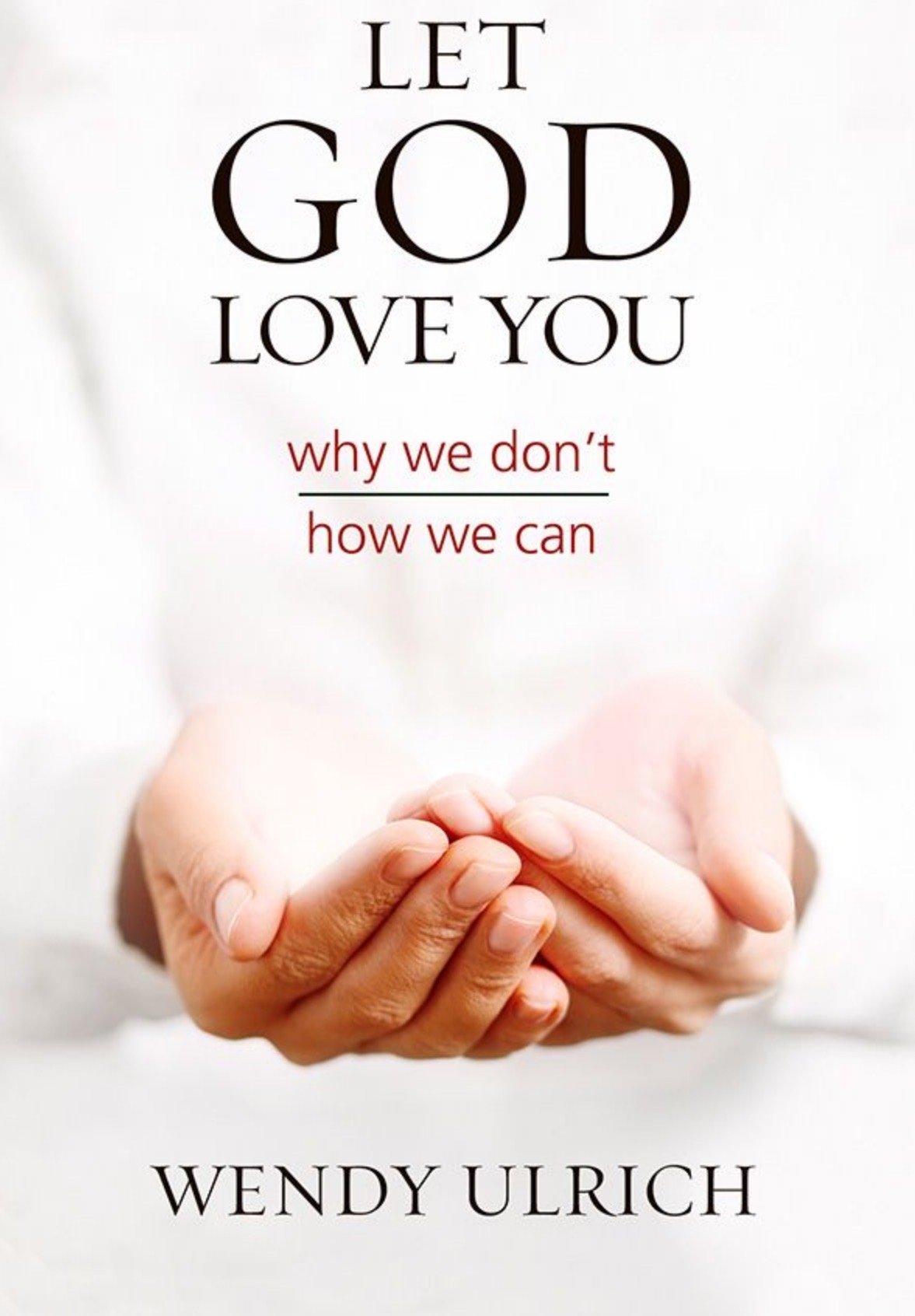
Let God Love You, by Wendy Ulrich

Screen Shot 2020-06-11 at 5.51.09 AM

Once in a very great while I will read a book and think, “If I was more eloquent and disciplined, this is the book I would’ve liked to write.”

Fortunately, probably more successfully, Wendy Ulrich beat me to it.

For many, just believing that God exists is a challenge. That’s a subject for another book. (One I have no plans to write.) But for the rest of us, the biggest challenges can be keeping Him close, feeling worthy of His love, and being assured that He is listening when we pray. Admitting these challenges, even to like-minded friends and family, is equally difficult. It feels like a massive character flaw.

Wendy Ulrich, who spoke at an event I attended in 2012, addresses these challenges and more in her book Let God Love You: Why We Don’t, How We Can. Although Ulrich is a psychologist–which would normally have me running in the opposite direction–she doesn’t use professional terms to make her point. Instead, she takes a very courageous route, an incredibly vulnerable route, tapping into all of her own insecurities with her personal relationship with God over the years and sharing them with us.

At times I felt almost numb. Her sentiments echoed mine in a way that was so accurate, it was almost scary. Her concerns, her fears, her highs and lows felt so relatable. I could feel myself nodding along and thinking, “yes, Yes, YES…These are all things I’ve felt too.” After a while I thought, “I should just stop highlighting, because I’m highlighting everything.” Other reviewers have said the exact same thing.

Not only was it extremely satisfying to know that someone else has gone through the same struggles I have while trying to feel God’s closeness, but it was a relief to know the root of those struggles (she shares many possibilities) and to know that there is hope. Hope, being a core element of faith. Faith being the “assurance of things hoped for, the evidence of things not seen.”

Some may ask, “If being close to God is so hard, why try at all?” Good question.

Obviously, the desire to believe in God (or not) is a choice we all make. But, like anything else worthwhile, it takes practice. Knowing there is hope of getting closer to Him by understanding what we might be doing to keep Him at a distance is a major step. The most important lesson I learned is that we often project human flaws on God because being flawed humans–who often hurt and disappoint each other– is all we know.

It’s been a long time since I could honestly say I was “blown away” by a book, but I was with this one. Yes, it forces introspection and self-examination, sometimes admitting things we are secretly ashamed of and have tucked away, possibly for years. But for those of us who think having a better relationship with God is worth it, which I most certainly do, this book is a wondrous read that far surpassed my expectations. And, while Ulrich is an LDS author, the principles of the book are for anyone and everyone.

10/10 Stars

Black History, Children, History, Nonfiction, Poetry, Young Adult

A Wreath for Emmett Till, by Marilyn Nelson

41xN5LACnwL._SX351_BO1,204,203,200_

This country we love has a Janus face: one mouth speaks with a forked tongue, the other reads the Constitution.

Let us first define what a Janus face is: cb922372af7ff4692a4ccfe77b79d2bbAmong other things, Janus was the Roman god of duality. And while America represents the Land of the Free for some, it is still a land of hypocrisy, fear, and double standards for many. The last couple of weeks have been a painful, shameful reminder of this.
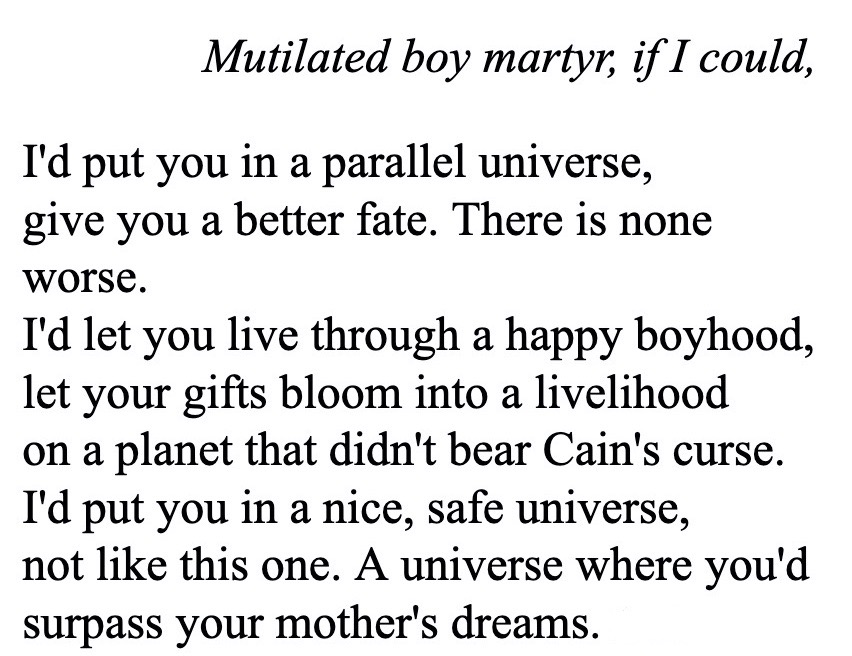
I happened upon the poetic prose of Marilyn Nelson completely by accident this morning on my local digital library site. I was quickly intrigued by her beautifully expressed story of Emmett Till. For those unaware, Emmett Till was a 14 year old black boy who was lynched and murdered in 1955 for whistling at a white woman. His killers were never brought to justice. His mother, Mamie, who lost her husband 10 years before in a controversial hanging, courageously displayed her young son’s mutilated body in an open casket at his funeral. If the law would not prosecute those responsible, she would do it in her own way.

In this sonnet, A Wreath for Emmett Till, award-winning poet Marilyn Nelson speaks for the young man who could not speak for himself and for his brave mother, thrust into the spotlight after his killing. Everything is said with sorrow, with love, and with heart-felt apology. I can hardly do it justice:

Screen Shot 2020-06-10 at 9.32.58 AM

Nelson’s style lends a power that makes mere storytelling inadequate. While probably targeted for young readers, teens and adults will also appreciate this quiet treasure. And, although a quick read, the message lingers long after that we, as humans, still have a long way to go.

9.5 Stars


Nonfiction, Self-Help

If I Understood You, Would I Have This Look on My Face? by Alan Alda

AlanAlda_June12

Make no mistake, I’m a huge fan of Alan Alda. M*A*S*H has been a staple in my family since I was a kid and my husband and I still continue to enjoy it immensely. The day when Alan Alda is no longer with us (hopefully long into the future,) it will feel like losing a relative.

So when I discovered that he had a podcast on communication (thoroughly enjoyable, check it out on iTunes and other platforms) and a book on the subject (published in 2017) I decided to check it out.

Many of us know that after 11 seasons of M*A*S*H, Alan Alda also went on to host Scientific American Frontiers on PBS for another 11 years. This last show led him to notice a common skill often missing from the scientific community–effective communication.

After speaking with university deans, a lobbyist friend, and various others with a shared vision, the Alda Center for Communicating Science was born at Stony Brook University in New York. It’s been his passion ever since.

In his book, If I Understood You, Would I Have This Look on My Face? Alda talks about the evolution of the center and its work. This hearkens back to his early days as a theater actor, taking classes to hone his craft and doing acting exercises. These exercises promoted both trust and unity among the actors, which resulted in a better performance.

Trust and unity. These are key. By using acting exercises and other theater games, the Alda Center teaches science students at all levels and future professions on how to communicate better. Much of the book is dedicated to the particulars of the exercises, which was a bit tedious at times, and the practical outcomes in either the real or experimental worlds.

Communication is discussed within various categories of the scientific community: labs, research, medical and dental, as well as within business, marriage/partnerships, and even with autistic children. I preferred these sections more that the descriptions of the exercises, which almost seem better suited for a supplemental workbook.

However, all of it was interesting. The heart vs the head, the importance of reading body language, and the most necessary trait in effective communication–empathy. And, while I found myself skimming over the various theater games and exercises, the core skills and feelings we need to develop and maintain, now more than ever, were both helpful and poignant. A powerful reminder that what every human really wants is to be heard.

8/10 Stars

For more information on the Alan Alda Center for Communicating Science and Alan Alda’s podcast, Clear and Vivid, visit www.alanalda.com.

Memoir, Nonfiction

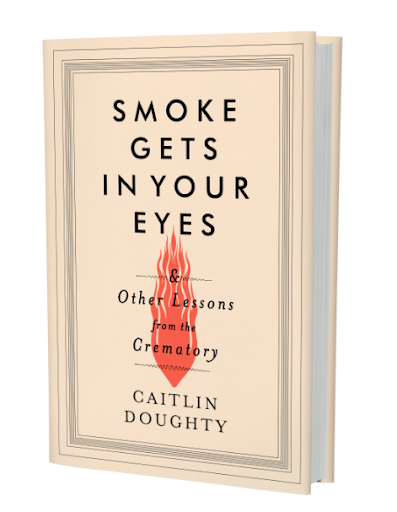
Smoke Gets In Your Eyes & Other Lessons from the Crematory, by Caitlin Doughty

unnamed

Last year, after my mother-in-law passed away, I happened upon a YouTube video entitled “What happens when you’re cremated?” I wasn’t trying to be morbid, I promise. I just like learning new things and, hey, here was a new thing that was exactly what we were going through.

Aside from the information, the video’s hostess, Caitlin Doughty, was great. I started looking around her channel, called Ask a Mortician, and watched more of her videos. You know what I learned? A lot! (For instance, did you know that embalming is not required by law before burial? Did you know there is a “green” version of cremation that uses water instead of fire?)

But what I mostly learned, was that despite having planned 3 funerals/wakes/Celebrations of Lives in the last 12 years, I knew very little about what actually happens to a corpse from the time it arrives at the funeral home to the time it is interred or buried. The industry is designed that way–to sell you the embalming/cremation/burial packages and to shield you from your vast multitude of options. Many of these options are less expensive, more eco-friendly, simpler, and give the grieving family a way to intimately participate. That shielding is not doing us any favors.

So, we the living, advocate for the deceased. But who advocates for the living? Enter Caitlin Doughty, who has made it her mission to pull back the curtain of the funeral industry and give us a look inside. As. It. Should. Be.

In her first book, Smoke Gets In Your Eyes & Other Lessons from the Crematory, we see the author’s foray into the funeral industry as a lowly crematory operator in San Francisco. It’s far from glamorous, but she learns a lot in those few months and we learn right along with her. After that, it’s mortuary school and pretty much being on call 24/7 while driving the “body van” up and down I-5, boomeranging between San Diego and Santa Barbara.

As you probably guessed, this is not a subject for the squeamish, but it’s important. Death is something none of us will avoid. It discriminates against no one. And right now, during the COVID-19 pandemic, most of us are probably thinking about death more than usual. So learn about it. Make a plan so that your family isn’t left guessing. Learn from the good and bad decisions of others. Reading this book is a very entertaining and informative way to start. You’ll be amazed at how much you don’t know, but you’ll also revel in Doughty’s writing style, which is witty, a bit sardonic, but respectful of her vocation.

Caitlin Doughty has written two more books, both of which I plan to read and review in the future. She also owns her own funeral home in Los Angeles, runs a website called The Order of the Good Death, and, of course, her YouTube channel, Ask a Mortician.

Here’s a little intro:

Ask a Mortician YouTube Channel

The Order of the Good Death website (designed to provide education and transparency about the funeral process.)

9/10 Stars

History, Nonfiction

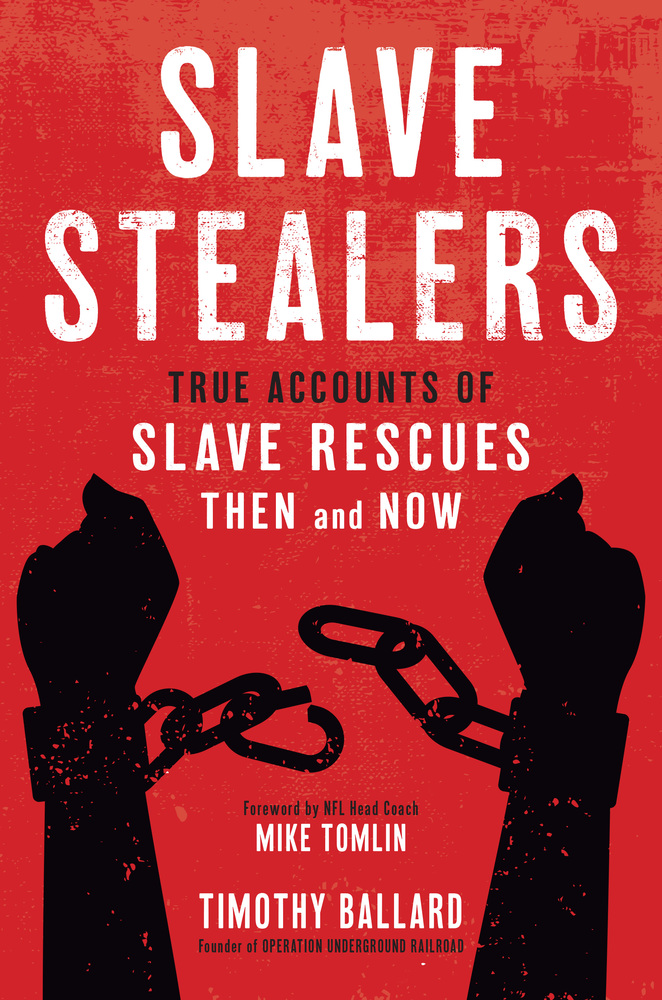
Slave Stealers, by Timothy Ballard

Slave_Stealers_cover

Remember these words: Operation Underground Railroad. Visit their site, donate to their cause, and find interviews with their founder, Tim Ballard.

If you feel like modern-day heroes do not exist anymore, look no further. They do.

Timothy Ballard was working as a special agent for Homeland Security when he was inspired to take a very brave step: leave a secure government job and start a nonprofit. Why? Because a government agency has restrictions that a nonprofit doesn’t.

Since 2013, Ballard and his organization have recruited former police officers and agents to rescue thousands of trafficked children around the world. Not only do they rescue them, but they house them in aftercare facilities to help them get the psychological, medical, and emotional help they need to heal, and to gain skills and education so they can proceed with their lives. When possible, they reunite them with their families. No matter what, O.U.R. stays in touch with all of the kids they rescue. And let’s define “kids.” These trafficked children could’ve ended up in that terrible situation at any age, from infancy to their teens. Some were sold by their very own families.

It’s as heart-breaking as it sounds, but it is something about which we need to be aware. After all, change doesn’t happen when we’re comfortable. In case you’re nervous, know that Tim Ballard is very good at shielding his readers from the “worst of the worst,” while still reminding us of its existence.

Meanwhile, he also spends time writing about the life of a Civil War era slave named Harriet Jacobs–her escape attempts, the abuse she endured, the unfairness that abounded in her life, and her minor triumphs. That time period is getting further and further away. It needs to not be forgotten.

Slave Stealers should be required reading for everyone, especially for those of us who enjoy Life’s everyday comforts and luxuries. The accounts will both outrage you and make you grateful. It will make you feel like you want to do something, even if it is just donating to O.U.R., supporting those heroes who risk their lives to save these kids from hell on earth.

9/10 Stars

Children, Historical Fiction, Nonfiction, Series & Collections, Young Adult

Farmer Boy, by Laura Ingalls Wilder

Frmer Boy cover.jpg

As a child I was given the entire Little House on the Prairie book series. It was, after all, the late 70’s, and the TV show was a local favorite. I read a few of the books, some of them several times, but Farmer Boy always stayed in my blind spot. In some ways I’m glad it did. I’m a big believer that books come into our lives at the right time when we can fully appreciate them and, apparently, Farmer Boy needed to be appreciated in my late 40’s.

This is a stand-alone book from the rest of the Little House series, one that Laura Ingalls Wilder wrote about one significant year in the life of her beloved husband, Almanzo Wilder. Almanzo has just turned nine years old. He has an older brother and older sisters. Poor Almanzo feels what so many children feel when they’re the youngest, always left behind and never given the responsibilities that the older ones are given.

The book is both entertaining and poignant. The way the siblings handle their freedom when their parents leave them alone for a week is hilarious. But the majority of the book is from Almanzo’s point of view as he observes his father work around the farm and train horses, a particular talent his son greatly admires. And, like the Sarah, Plain and Tall series, the reader sees how children were put to work at a young age, never in an abuse manner, but given chores appropriate for their age. Everyone needed to pitch to keep a farm running and most children of farmers grew up to be farmers themselves.

There is a wonderful documentary on Amazon Prime Video called Almanzo Wilder: Life Before Laura. It was this documentary that prompted me to read the book, despite not being in the age group of its target audience. I recommend both the documentary and the book.

9.5/10 Stars

Memoir, Nonfiction

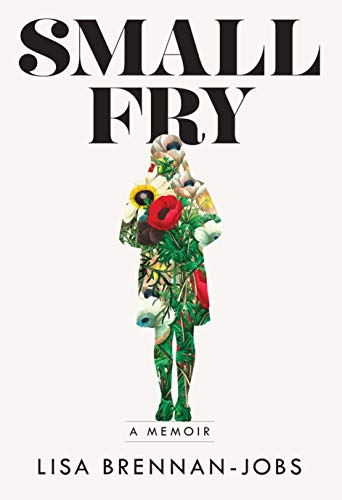
Small Fry, by Lisa Brennan-Jobs

Small Fry cover

Once upon a time, before marrying and having two children, before Apple was the iconic company that it is today, Steve Jobs fathered a daughter. He briefly lived with her mother, Chrisann Brennan, then his eccentric restlessness took over. They broke up before the child was born and Jobs refused to acknowledge paternity for several years.

Lisa Brennan-Job is that daughter and this is her story. It is the story of a struggling single mother on state assistance whose child’s father was worth hundreds of millions. It is the story of a daughter searching for some normalcy, which was difficult with two highly volatile parents. It is a story of a constant roller coaster of love, hurt, redemption, and forgiveness.

I was riveted by Small Fry. Lisa’s position as Steve Jobs’ daughter may seem enviable, but your opinion will change after reading her story. She never plays the victim, nor the princess. Jobs was ridiculously controlling while Chrisann was often emotionally unstable. The only real closure Lisa received was a deathbed apology which, I suppose, is better than nothing.

9/10 Stars

Faith, Nonfiction, Religion, Self-Help

Faith Is Not Blind, by Bruce C. and Marie K. Hafen

42970629

I recently heard an interview with Bruce and Marie Hafen and I was so impressed that I decided to find their book, Faith is Not Blind. Bruce Hafen has been dean of the Brigham Young University Law School, president of Ricks College (now BYU-Idaho,) and is a long-time General Authority. He and his wife, Marie, have co-authored several books together.

A short but very powerful book, Faith is Not Blind speaks mainly to members of The Church of Jesus Christ of Latter-day Saints, but like Sheri Dew’s Worth the Wrestle, it is for anyone (or anyone related to someone) suffering a faith crisis or someone merely “going through the motions” who wants more. In other words, it casts its net fairly wide.

Because many questioning their faith, whether it be faith in God or their particular organized religion, feel a tug-of-war between logic and belief–opting for logic–the Hafens approach faith from a logical view. They know their audience.

Main points, upon which the book is built, are these:

  • real vs. the ideal
  • early innocent simplicity
  • bewildering complexity
  • mature enhanced simplicity

The last point, mature enhanced simplicity, is the ultimate goal for anyone who wants to break the confines of their struggles and rediscover faith. This usually only comes as the result of complexity. The complexity stage, however, is where many people get stuck, often for a lifetime, often leading to “intellectual apostasy.”

The Hafens assure the reader that emerging from complexity and progressing to mature enhanced simplicity with both faith and individuality intact is a very attainable goal, but it requires work and participation. There is no getting something for nothing. Understanding the ways modern society tries to prevent reaching the goal of mature enhanced simplicity is also key and something they discuss in depth. Personally, I found the idea of the “burden of proof” shift over recent years amazingly accurate.

Without being preachy, the Hafens accomplish a great deal in fifteen brief chapters. The reader will find himself holding up the figurative mirror and self-examining his own faith, as well as feeling more compassion and understanding for loved ones still stuck in the mire of bewildering complexity. At the very least, we learn that faith and logic do not need to be mutually exclusive, but can build upon each other to create one great end result.

It is a brilliant book.

9.5/10 Stars

Bonus Link: Bruce and Marie Hafen discuss stages of faith in the ALL IN podcast.

Part 1: Click HERE              Part 2: Click HERE


Faith, Memoir, Nonfiction

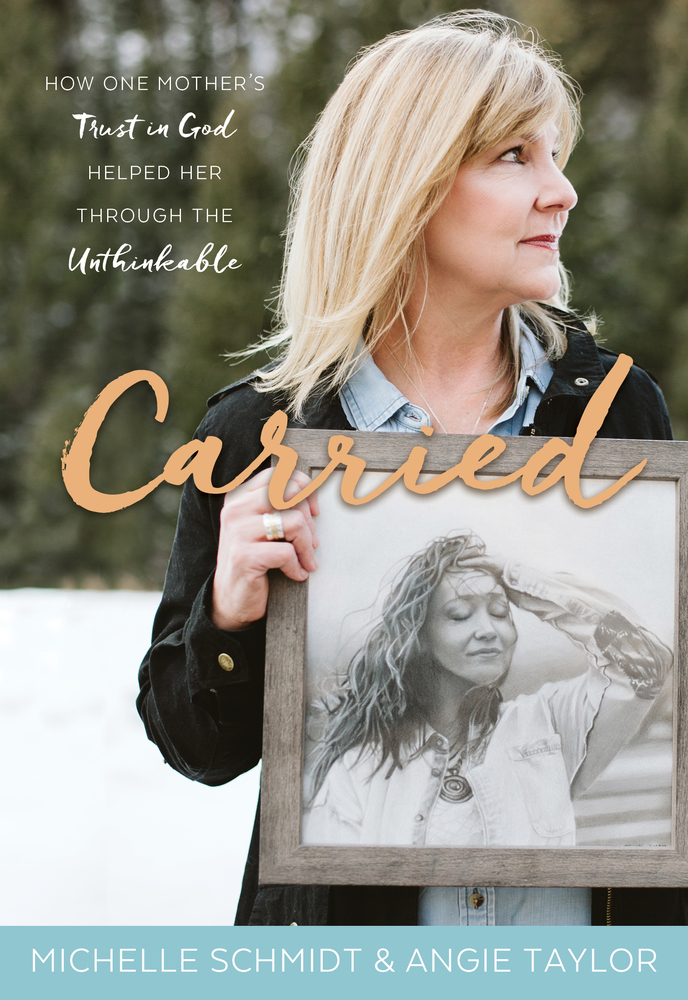
Carried, by Michelle Schmidt & Angie Taylor

Carried

Most parents would agree that having a child predecease them is the worst possible thing they could imagine. While the majority will not have to experience this devastating trial, John and Michelle Schmidt were not so fortunate. In 2016 their daughter, Annie, an avid hiker, went missing and lost her life in Oregon’s Columbia River Gorge. Despite John’s fame as a member of The Piano Guys, the only thing that could immunize them from the excruciating pain of Annie’s death was their faith.

In Carried, How One Mother’s Trust in God Helped Her Through the Unthinkable, Michelle Schmidt chronicles the heartbreaking events of this difficult time.

The reader should be prepared that only about 30% of the book actually focuses on the search for Annie. The larger portion is a memoir of John and Michelle’s life leading up to the event, a life fraught with the ups and downs of marriage and a growing family while navigating decades of John’s music career. Clearly the purpose of this background information is to provide the reader with a foundation of the faith-building experiences the family endured that sustained them all during the hardest moments of their lives. That being said, Carried almost feels like two books in one and can be a bit misleading in what the story is truly about.

I appreciated the details of John and Michelle’s early life and have great admiration for their faith, but most readers gravitate towards the book for a different reason, which is to read about Annie’s disappearance and the events surrounding it. Still, it is comforting to see a family recover, albeit slowly, from such a loss and to use the experience to help others.

8/10 Stars

Bonus Link: John and Michelle Schmidt discuss the search for Annie in the ALL IN podcast. Click HERE.