Cozy Mysteries, Fiction, Women's Fiction

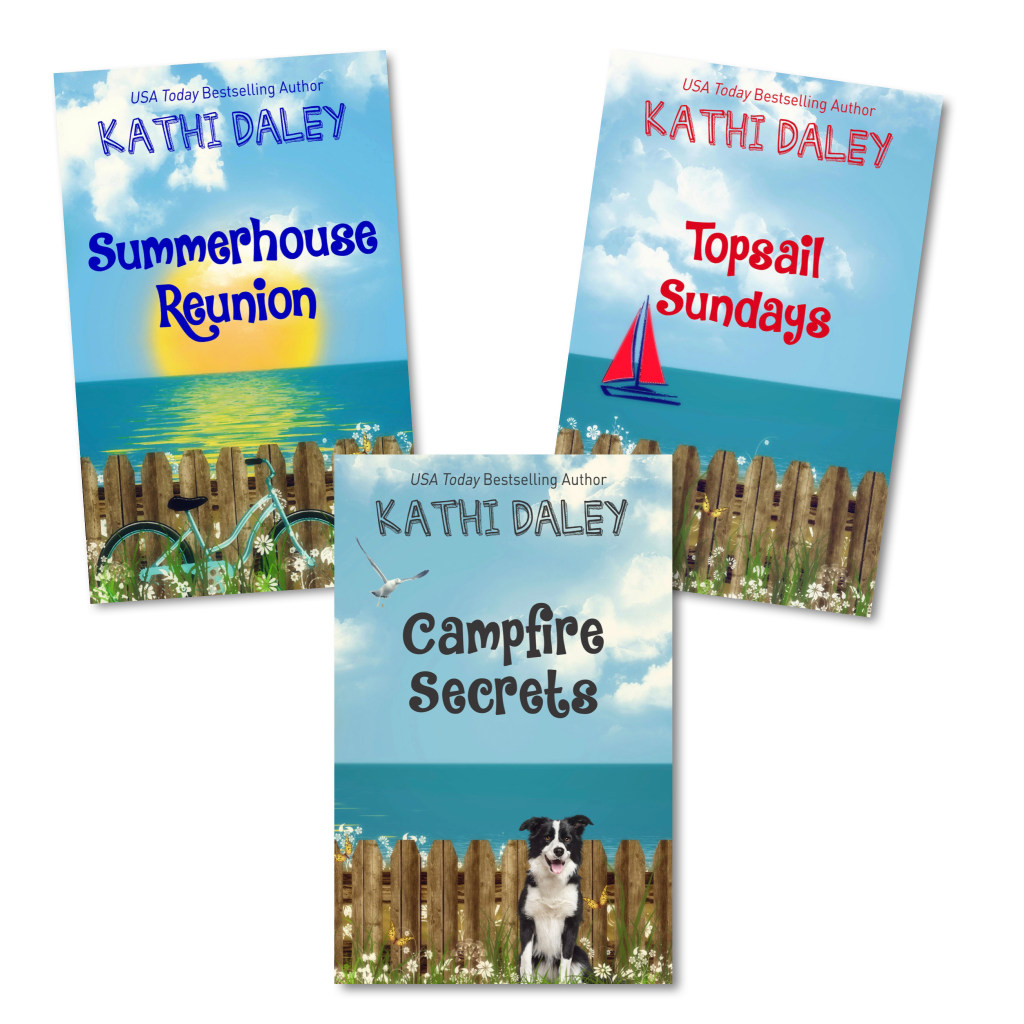
Island Reunion Series (Books 1-3,) by Kathi Daley

Six friends, including one who is recently deceased and one who mysteriously disappeared twenty five years ago.

In the present we hear the voice of Kelly, one of the six, whose twin sister, Kayla, has recently passed away. Kelly, along with the remaining three friends Carrie, Nora, and Quinn, have plans to reunite in a rented house that once belonged to Kelly’s family. Meanwhile, on the fictional Shipwreck Island, patterns emerge of other teenage girls who have vanished over the years.

Throughout the Island Reunion series the women share their highs and lows, mourn Kayla’s passing, investigate the decades-old mystery of their missing friend, Peggy, and try to move forward from their individual life challenges. Now in their early forties, all of them have reached an impasse.

Despite the many characters, Kathi Daley does not bombard the reader. New characters are introduced at a pace that allows you to get to know a few at a time. The writing is fluid and comfortable. The dialogue feels realistic. Some romance and intrigue is peppered throughout. The final book was my least favorite of the three, but it tied up loose ends nicely and confirmed one prediction I made earlier.

I would definitely call this “women’s fiction,” bordering on cozy mysteries, although the plot is unlike any of the cozy mysteries I’ve read in the past. It was quick and light but the characters and plot had substance. All have clean language–good “pandemic” reading to pass a few hours. And, while the lives of the wealthy can be hard to relate to, their privilege always remains a side point not a focus.

This was my introduction to Kathi Daley’s books and I’m motivated to try others. She is best known for her Inn at Holiday Bay series. The Island Reunion books are all included with a Kindle Unlimited subscription.

Book 1: Summerhouse Reunion

Book 2: Topsail Sundays

Book 3: Campfire Secrets

8/10 Stars
Cozy Mysteries

Some Cozy Mysteries to Miss

As a public service, here are a few books in my cozy mystery journey that fell short of my expectations. Keep in mind that this is purely my opinion.

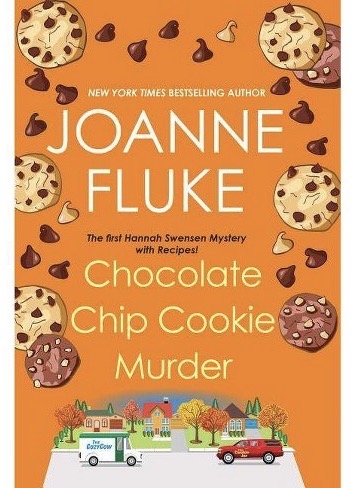
Chocolate Chip Cookie Murder, by Joanna Fluke (Hannah Swenson #1)

I realize this is a beloved series for many, one that has even been turned into Hallmark movies, but that is exactly how it read. Too saccharine, with (again, my opinion) a very nosy main character named Hannah Swenson. I will never understand why her cop brother-in-law, who is up for promotion, asks for her help. 5/10 Stars

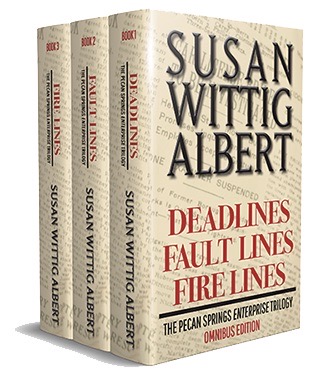
Deadlines/Fault Lines/Firelines (The Pecan Springs Enterprise Trilogy,) by Susan Wittig Albert

Again, a series by a beloved writer that I thought was poorly written and boring beyond belief. 2/10 Stars

Savannah Sleuth, by Alan Chaput (Vigilantes for Justice, #1)

I decided to read this book as a courtesy because the author sent me a friend request on Goodreads. Awkward… It is like a hybrid between the Real Housewives of Savannah (is there such a show?) and The DaVinci Code. Yes, it’s as ridiculous as it sounds. Too much unnecessary detail and way too many characters, all of them unrelatable. Just a painful read. 3/10 Stars

Carnations and Deadly Fixations, by Abby Reede (Fern Grove #1)

The most recent bumble in my quest for a great new series. Too bad, because it had potential if not for the amateurish writing. The beginning, especially, just cried out for better editing. 3/10 Stars

Final thoughts: Cozy mysteries, when done well, are an absolute delight. Creating believable characters and a plot that drives the reader is no easy task. It’s certainly a skill I don’t possess. But they cannot all be a success, just like books in other genres. These are a few that I really do not recommend.

Cozy Mysteries

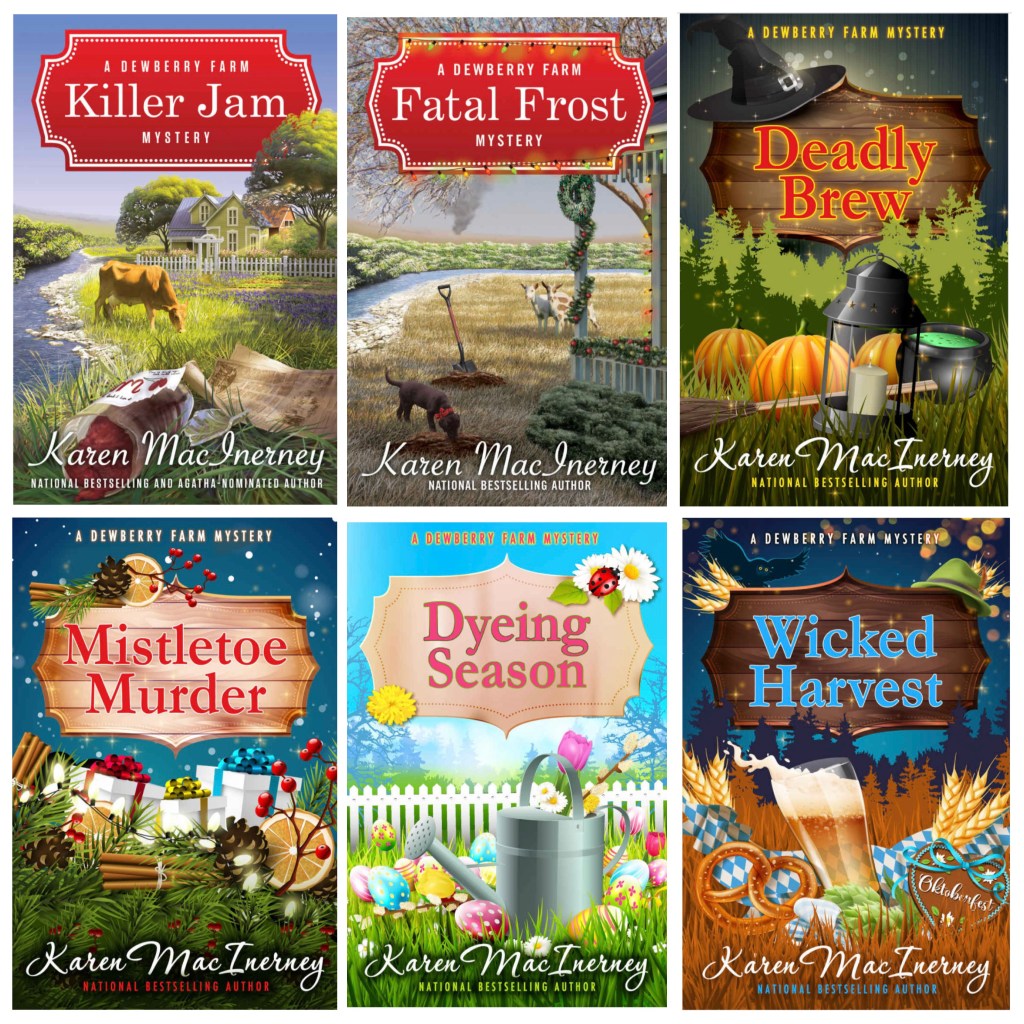
Dewberry Farm Mystery Series (Books 1-6,) by Karen MacInerney

Before being slightly upstaged by Karin Kaufman’s Juniper Grove series, my first favorite (now holding a worthy 2nd place) was the Dewberry Farm series by Karen MacInerney.

Former crime reporter Lucy Resnick buys her grandparents’ farm and sets up residence in the town of Buttercup, Texas. As she learns the ropes about raising livestock, planting crops, and making jams, soaps, and candles to sell, she encounters a host of colorful characters at different local events. If there isn’t a murder at one of those events, you can bet there will be one somewhere else in town. Unfortunately, you can also bet that the hopelessly inept sheriff will lazily lock up the wrong person.

Along with her beloved farm and creatively named animals, Lucy is also close to her friend, Quinn, who runs the local cafe and is avoiding her abusive ex, and Tobias, the handsome new vet. Several other supporting characters appear often to help and support Lucy as she tries to piece together the clues that Rooster the sheriff refuses to acknowledge. (I picture him looking and acting like the Sheriff of Nottingham in Disney’s animated Robin Hood.)

Like other successful cozy mysteries (“successful” in my opinion,) the author, Karen MacInerney, has developed a valid reason for the main character to investigate. She also peppers in a hint of the supernatural. Whenever Lucy is in a real jam or closing in on the murderer, she feels her grandmother’s comforting presence and smells her lavender perfume. I love that.

This is a highly enjoyable series. I read the last two books just yesterday and today. The seventh book will be released September 30, 2020. All are included with a Kindle Unlimited subscription.

9/10 Stars for the series

Cozy Mysteries

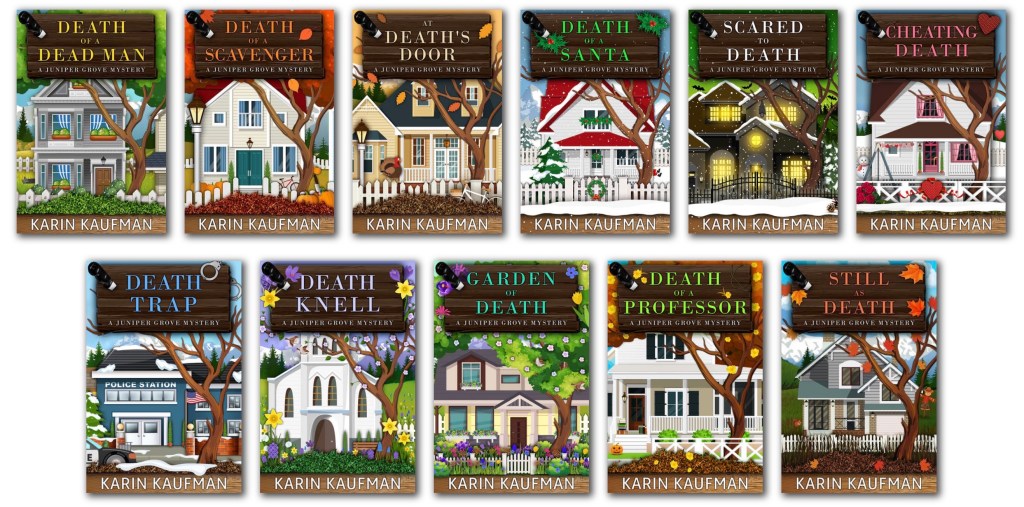
Juniper Grove Mystery Series (Books 1-11,) by Karin Kaufman

I have swept through this series! So, instead of writing individual reviews for each book, they will be grouped together.

First, let’s talk a bit about “cozy mysteries,” a genre I have just discovered. They are usually (not always) written by women authors. They often have food, sometimes recipes, mentioned in the books (and sometimes in the titles.) They are usually fairly clean and homespun, take place in small towns, with a female protagonist who just happens to be around when murders happen. (Think Jessica Fletcher in the 80’s TV show, Murder, She Wrote.) That protagonist often ends up investigating the murder because (a) she is implicated, (b) one of her friends is implicated, (c) she’s asked by a friend to investigate, or (d) the local police is so inept that it is up to the townspeople to discover the truth.

Those are the similarities I have found in cozy mysteries. But, like any genre, there are the some better than others. I have learned that it all comes down to the quality of writing and relatable characters. In Karin Kaufman’s Juniper Grove series, I found some winners.

I prefer reading the books in order because of the ongoing story line with the main characters who appear in every book. Rachel Stowe is the heroine, the one whose voice and thoughts we hear. A never-married mystery writer in her early 40’s, Rachel has moved to the fictional Colorado town of Juniper Grove after seven years in the publishing rat race of Boston. Julia Foster and Holly Quinn are her two best friends. Julia, a feisty widow in her sixties, lives next door. Holly, in her mid thirties, who runs the local bakery with her husband, hears all the local gossip–valuable when trying to solve murders as people let their guard down while noshing on pastries. At the police station is the stoic Chief James Gilroy; his right hand man, Officer Underhill; and a couple of junior officers who come and go for different reasons. Gilroy is an evolving character about which a little is revealed at a time in each book.

Each story in the series places Rachel in a new setting, such as a neighborhood scavenger hunt, a Christmas gathering, or a murder mystery party (oh, the irony!) Once in a while, like in the case of Death Knell, an odd event draws her attention and, lo and behold, a dead body is involved. (Sarcasm intended.)

Of the seven cozy series I’ve tried (each book takes about three hours to complete,) Juniper Grove is my favorite. The writing and character development is both high quality and economic. And, while there are some aspects that could be considered corny, such as the creation of the ladies’ “mystery gang,” the Rachel Stowe character has become my literary friend.

At this point in my “cozy mystery journey,” I’m using the Juniper Grove series as my yardstick with which to measure all the others. (The Dewberry Farm series, by Karen MacInerney, runs a close second. I’ll review it soon.) It’s an entertaining “pandemic panacea” that makes you forget about this bizarre time of viruses, politics, and societal unrest.

Book #12, Grim Death, is expected to be published soon. Books 1-11 are available as part of the Kindle Unlimited subscription on Amazon. Otherwise they range from $0.99 to $2.99 each.

Karin Kaufman’s website is HERE.

9/10 overall for the series, with high hopes for future books

Cozy Mysteries

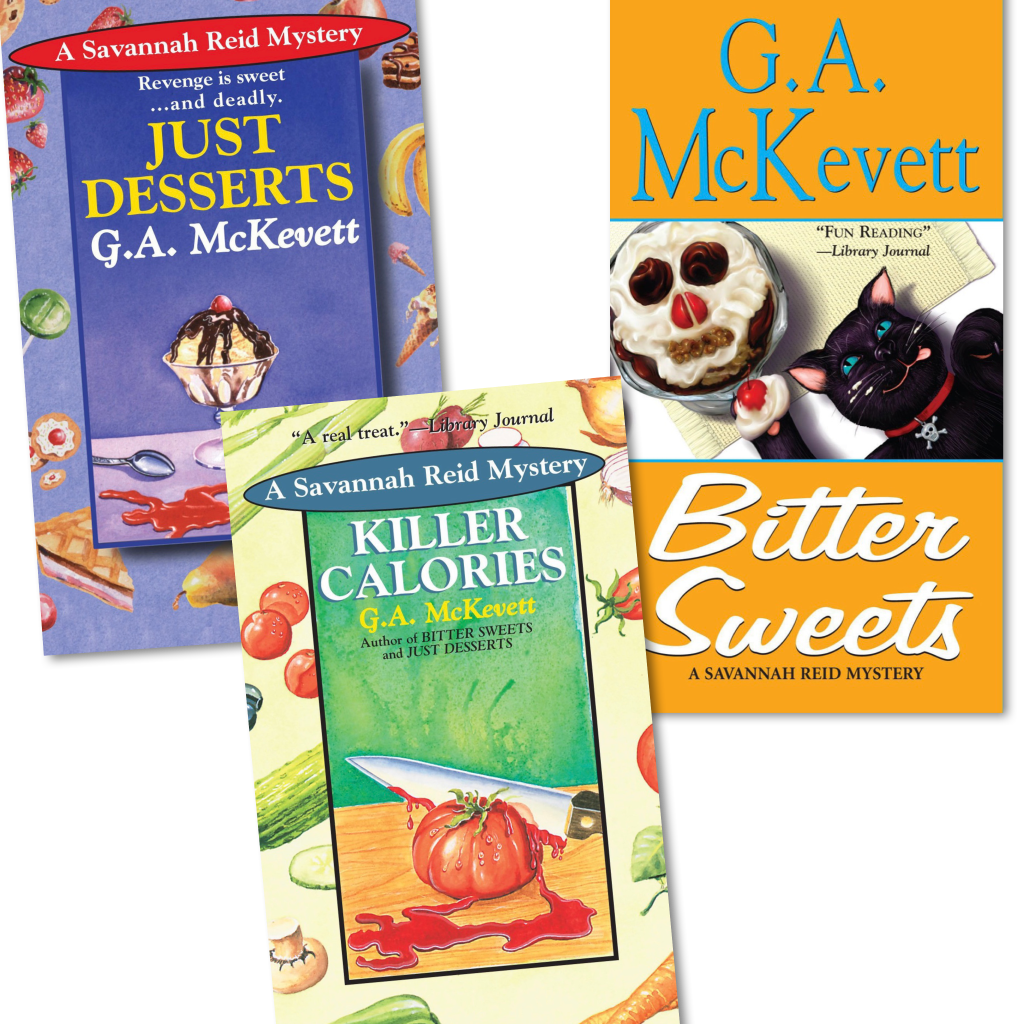
The Savannah Reid Mystery Series, Books 1-3, by G. A. McKevett

Book 1: Just Desserts

Book 2: Bitter Sweets

Book 3: Killer Calories

Few things are more satisfying to me than to discover a new author whose writing keeps me totally engaged. So it was an unexpected delight to stumble upon the popular Savannah Reid mystery series.

The main character puts on a brassy front but, like most women, she enjoys being treated like a lady too. Her challenging, although loving childhood, helping to raise eight brothers and sisters under her grandparents’ care made her scrappy and resourceful, but still sympathetic and sensitive. It’s hard not to like this woman.

In Book 1, Just Desserts, we meet Savannah when she is still a detective with the San Carmelita PD. She works closely with her scruffy but lovable partner, Dirk Coulter, until she is asked to fly solo on a particular murder case. Here is where we see the author’s style come into play: excellent character and plot development plus the ideal balance of dialogue and expository information. The plot often turns one direction halfway into the story and takes a another twist three-quarters in–showing great forethought, economy, and outlining before the writing even began. We are also introduced to characters who will become old friends as the books progress; the aforementioned Dick Coulter, the dashing Ryan Stone and John Gibson (they come as a set,) and Tammy Hart, Savannah’s new secretary as she opens her PI business. I had great fun reading this mystery, although Savannah’s little sister, who shows up unannounced, was a frustrating character. 9/10 Stars

Book 2, Bitter Sweets, is my favorite of the first three Savannah Reid mysteries. Aside from meeting Savannah’s Granny Reid, the relative she loves most of all, we also see the softer side of the private investigator. The twists, turns, and characters are especially clever in this story as Savannah investigates a murder and furiously tries to rescue a missing child. The obstacles bring out her sensitivity and frustration, making her granny’s unannounced visit all the more timely. And, despite guessing who the murderer was before the name was announced, I devoured this book in record time. It’s my guess that the 25 books in the series do not need to be read in order, but I would recommend reading Books 1&2 to get to know the main character before hopscotching through the other books in random order. 9.5/10 Stars

Book 3, Killer Calories, was a bit of a let down after it’s terrific predecessor. Not only did I have a hard time getting into the story, but the author used a few of my “least” favorite words and expressions more than once. Not expletives per se–the books have stayed at about a PG rating–but word choices I find crass. Just a personal thing and a bit detrimental to my prevous enjoyment of the Savannah Reid character. This time she is hired by an anonymous client to investigate a murder at a seedy health spa. I found myself caring little about most of the new characters. The plot did redeem itself towards the end, but the setting and cast did little for me. Still, I will plug along with other books in the series. 7.5/10 Stars

Conclusion: Make no assumptions and underestimations about these books based on their sugary-themed titles. G. A. McKevett (the pen name of prolific author Sonja Massie) is a very talented writer. Three books in three days means I’m definitely hooked!

Biography, Black History, History, Nonfiction, Young Adult

The Life of Frederick Douglass, by David F. Walker

For the second time in two weeks I am completely bowled over by a book I discovered accidentally. I have so many thoughts right now…

With so much racial unrest happening I feel that one of the things we need to do is get at the core–its history and its reasons. Obviously, there is no one alive right now who can tell us what it was like to be a slave in the United States during the 1800’s, but when you read Frederick Douglass’s own words, you get pretty close.

I learned so much about this important historical figure who I thought I already knew. When I read about Harriet Tubman and the early suffragettes, Susan B. Anthony and Elizabeth Cady Stanton, Frederick Douglass is always mentioned. But until now, I did not know his personal history.

In this powerful book you learn about his entire life, from birth to death: his boyhood, his mother, his escape, his wife and children, and, of course, his determined quest to help abolish slavery.

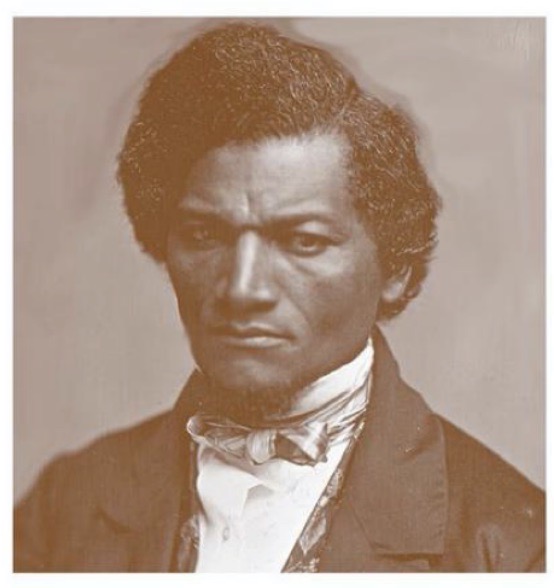
Although it was not the custom at the time, Frederick Douglass purposefully looked into the camera when his picture was taken. He felt it showed his humanity and resolve.

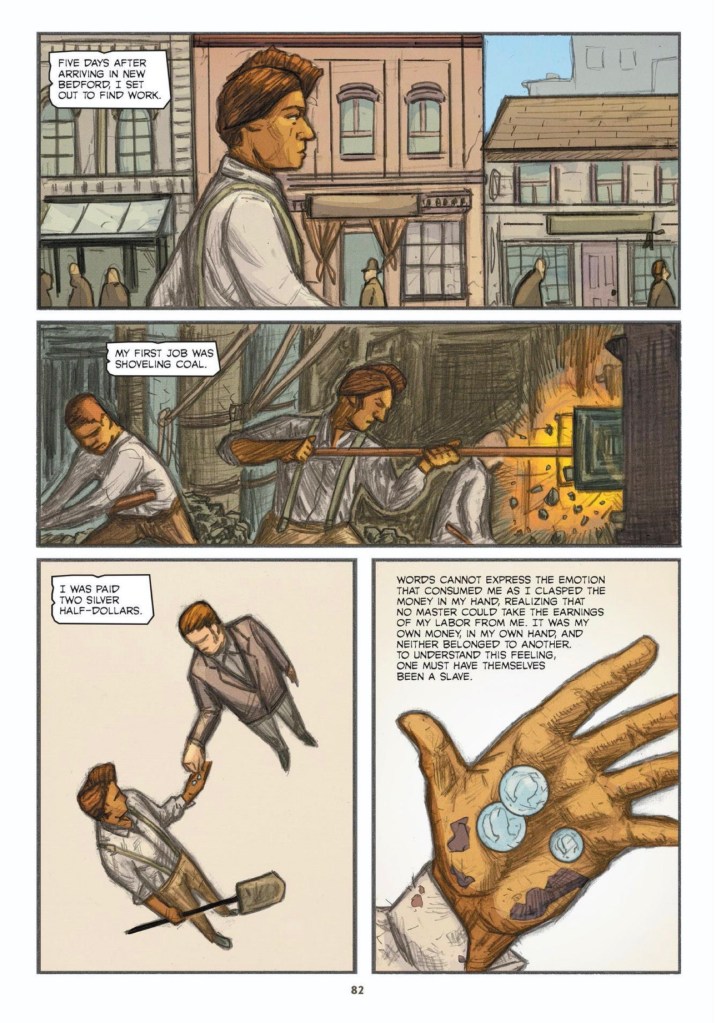
This particular screen shot is one of many quotes by Douglass that made me realize the amount of guilt he often felt. Throughout his life he dealt with much internal conflict, always wondering if he was doing enough to help the slaves and always putting pressure on himself to be an example of dignity. He felt great responsibility to show others that a (former) slave is a person with intelligence and emotion, not just a piece of property to be bought, sold, and abused.

I highly, highly recommend this graphic novel to adults and young people. (Probably a mature 10 years old and older.) Although it chronicles an era of the past, its themes are still relevant. Mostly, that while many agree that change needs to happen, they differ on how to achieve that change. Until that question is resolved, how can things be different?

10/10 Stars

This book is available on Amazon.com, or perhaps your local digital library, which is where I found it. Just look at these amazing drawings by David F. Walker:

Biography, Faith, Faith and Religion, Nonfiction, Religion

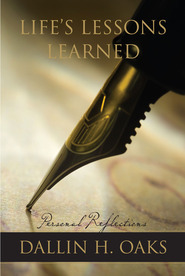
Life’s Lessons Learned, by Dallin H. Oaks

If you’re familiar with Dallin H. Oaks, you know he is nothing if not certain when he speaks. As the senior apostle in the Quorum of the Twelve in The Church of Jesus Christ of Latter-day Saints, some might even describe him as intimidating. I have felt that too, until about a year ago when I heard him being interviewed, alongside his wife, on a podcast. Hearing him speak freely, as opposed to giving a speech, humanized him to me. It was then I had new respect for the man.

Life’s Lessons Learned, published in 2011, is a book with a simple format. President Oaks (he is called “president” because of his current Church calling in the First Presidency) shares different events from his life and the outcomes of those events. The oldest of three children raised by a single mother after his father died of tuberculosis when he was 11, Dallin H. Oaks is the definition of self-made. Trained as an attorney, his legal resume is very impressive. However, the majority of his adulthood has been devoted to Church service, and it will be that way for the rest of his life.

The book is divided up into three chronological sections, each with brief experiences and the lessons learned from them. The sum of its parts being that anything we go through, good or bad, has something to teach us. The more self-aware person will take that information and apply it. Sometimes the lessons come from observing others as well.

There are many wonderful things to glean from the book, but I think my favorite was the one on “labeling.” Here is an excerpt:

“We should be careful not to label or define ourselves (or others) by some temporary quality. The only single quality that should characterize us is that each of us is a son or daughter of God. That fact transcends all other characteristics….

“When we choose to define or label ourselves (or others) by some characteristic that is temporary or trivial in eternal terms, we de-emphasize what is most important about us (or them) and overemphasize what is relatively unimportant. This label can lead us down the wrong path and hinder our eternal progress.”

I could not help but think about recent events and run this section through that particular filter. Lately it feels like excessive labeling (and generalizing) is leading to society’s downfall.

That is only one of many examples, all taken from his own life. President Oaks will be the first to tell you he is not perfect, something he freely admits. But he also shares ways he and all of us can improve, both from a spiritual perspective and from Life’s lessons.

His writing is clear and well-organized–the kind of intuitive organization I appreciate. I recommend this book and look forward to reading more.

9/10 Stars

Fiction, Historical Fiction

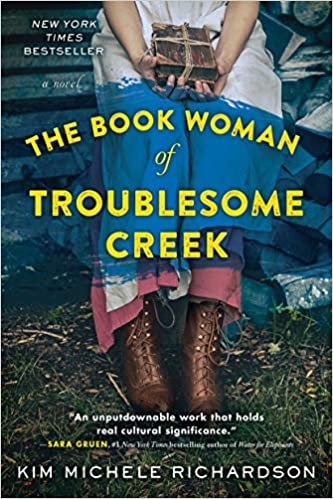
The Book Woman of Troublesome Creek, by Kim Michele Richardson

Their hunger for books could teach them of a better life free of the hunger, but without food they’d never live long enough or have the strength to find it.

Where to start? I loved this book.

There are so many unique qualities to The Book Woman of Troublesome Creek, by Kim Michele Richardson, starting with the fact that it takes two fascinating pieces of history and merges them together into one character.

That character, the voice of our narrator, is Cussy Mary Carter, nicknamed “Bluet.” Piece of History #1: she is a Pack Horse librarian in the 1930’s, riding through the Appalachian Mountains weekly, delivering books to the poor but proud. Piece of History #2: she is a descendant of the Blue Fugates of Kentucky, a group of people with a rare genetic condition that turned their skin blue.

On one hand, you have Cussy Mary as the outcast because of her visible blue skin (she even qualified as “colored,” although she was not African American, and was subject to the same restrictions of the time.) On the other hand, you have Cussy Mary as the one who brings culture to the region’s isolated people. The school children look forward to seeing her. The illiterate (too proud to ever admit such a thing) depend on her to read to them. The elderly simply enjoy her pleasant company.

If there existed a scale of reactions people have towards Cussy Mary, from loving, sympathetic, and compassionate to repulsed, fearful, and murderous, she evokes them all. Yet, somehow, she maintains her composure, ever the book’s heroine from beginning to end. When a character is convinced they are unlovable, yet still manages to treat others with kindness and respect–as Cussy Mary does–you cannot help but admire them.

The themes of prejudice, segregation and ignorance are pervasive throughout the novel. But there is also forgiveness, redemption, and stoicism. My only small criticism is that the ending is almost “too tidy,” seemingly out of step with the rest of the novel. But that is purely my opinion.

Overall, The Book Woman of Troublesome Creek is an extremely engaging read, suitable for book clubs or the curious individual looking for a story unlike any other.

9.5/10 Stars

Fiction, Parable

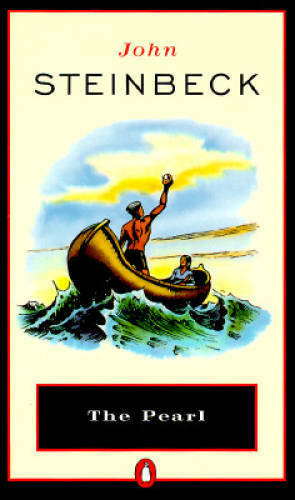
The Pearl, by John Steinbeck

s-l640

For it is said that humans are never satisfied, that you give them one thing and they want something more… –The Pearl

How is it that some have so much while others go without? A hut versus a grand house. Rags versus silken finery. Character versus emptiness. The Song of Family versus the Song of Evil. Do possessions make one evil? Possessions can make one a slave.

Greed. Materialism. Attributes that are practically glorified these days. The master storyteller does not need hundreds of pages to tell how they corrupt and distort. John Steinbeck is that master storyteller.

All of these themes are explored in The Pearl, the story of a humble fisherman named Kino who finds a treasure he thinks will bring an end to his troubles. Yet, what are his troubles? Before his discovery, he lived peacefully, although simply, with his loving wife and little son.

A master storyteller can affect his reader in less than an hour, as I was last night. And today I look around at my possessions wondering if they belong to me or if it is the other way around.

Read The Pearl and prepare to be changed.

9/10 Stars


Faith, Faith and Religion, Religion

Answers Will Come, by Shalissa Lindsay

81YbOCsKU2L

Olympians sometimes swim in sweats to increase the drag and work their muscles harder. This mortal body may often feel like that too. Some of the challenges that I process as temptations are more helpfully viewed as mortal processes that provide my spirit an intensive training exercise in patience, self-discipline, and charity. –Shalissa Lindsay

(Just a brief disclaimer for anyone reading this review: this particular book is very much targeted to members of the Church of Jesus Christ of Latter-day Saints, also known as LDS or Mormons. There are several references only they will understand. That being said, the book’s message is for everyone.)

Since the COVID-19 pandemic began in mid-March, my Sundays have looked very different. Instead of spending a minimum of two hours at our church building listening to talks and lessons, singing hymns, and partaking of the sacrament, my hubby and I have been holding our version of “home-centered church.” It is spiritual and reverent, but we dress more casually and it doesn’t last two hours. We pray, follow the weekly Sunday School lessons, read the scriptures, and try to maintain a Sabbath atmosphere in our home that day.

It has actually been wonderful. It’s made me realize the power we each have to access the Spirit and have him abide in our homes, whether we attend church in a building or not. I do miss my church family and the insights they give during lessons–I learn so much from their example–but this will do for now.

Not being around others of my faith on a weekly basis has created another desire in me. If I cannot share ideas in person, I would, at least, like to read the ideas of others. Part of attending church in person is the comfort of knowing others share your struggles. Not exactly in a “misery loves company” type of way, but more like “we’re all in this together, so let’s figure it out together.”

That’s a lengthy introduction! Suffice to say, all this spiritual pondering without a congregation has been a bit lonely. When I have questions or concerns, there is no class full of like-minded people with whom to discuss them.

I’m very aware that the Lord’s timeline for answers is not my own. (“Answers” could be answers to questions or answers to prayer.) So it is comforting to read a book such as this that lets me know that my (some time) impatience and frustration is not unique. In Answers Will Come, Shalissa Lindsay tells my heart and my head things I already know, but need to hear again…and again…and….again.

The bottom line, Life is not easy, and that’s OK. Answers are not immediate, and that’s OK too.

Elder Jeffrey R. Holland has a well-known quote: “Some blessings come soon, some come late, and some don’t come until heaven; but for those who embrace the gospel of Jesus Christ, they come.”

You could reread this quote substituting the word blessings for answers, making it no less true.

I found myself agreeing with a lot of the logic the author uses to reconcile her faith, her patience, and current gaps in her doctrinal knowledge that she wants to fill. Many of her gaps and questions are fairly common. And, while not the most revelatory read, Answers Will Come certainly makes you think and self-examine, as we all should do once in a while.

8.5/10 Stars


Fiction, Series & Collections

My Name is Asher Lev, by Chaim Potok

9781400031047_l

“To touch a person’s heart, you must see a person’s face…”

Last week I was listening to a podcast where actor Tom Hanks was being interviewed. The interviewer asked him to name the first book he ever read that he felt was “transformative.” Tom answered My Name is Asher Lev. I was between books at the time and, having already read and enjoyed The Chosen, by Chaim Potok, I decided to try another.

Honestly, I found myself plodding through this book as if metaphorically walking through mud. I knew it would be about the Orthodox Jew culture. I knew it would be heavy. But it was heavy in a way I did not expect. It was emotionally heavy. Heavy and frustrating.

Now, I suppose that as far as “transformative,” I could see where Tom Hanks is coming from. If you are an artist and you believe that nothing comes before your art then, yes, My Name is Asher Lev could be considered transformative. But for the rest of us, I’m not so sure.

This is where interpretation of literature becomes a gray area.

As far as writing style, yes, Chaim Potok is an excellent writer. His style is minimal, yet profound. There is an indescribable power within it that propels the reader to carry on and keep reading. The plot, however…

Simply put, My Name is Asher Lev does not do any favors for the Orthodox Jews. It follows a young, friendless boy into adulthood who, more than anything else, wants to be an artist. The more his father tells him to stop wasting his time on drawing, the more he rebels. Over the years he continues to pursue his vocation at the risk of alienating everyone he cares about, his parents, his rabbi, his community.

The biggest question would have to be “Is it worth it?” Never having been in that situation, I cannot say. I did, however, think of my Uncle Ruben, an extremely talented artist who struggled for years against the wishes of my grandparents to turn his vocation into a career, eventually becoming successful and convincing them and everyone else.

Our protagonist, Asher Lev, had a larger task. He was battling against pervasive religious traditions that affected everything in his life. He was also battling against a close-knit religious community whose stronghold on those traditions was becoming more and more desperate as the world crumbled around them. Lastly, as the only son of a respected man who worked to help the persecuted, he was battling against his father, whom he loved.

Those who are fighting that uphill battle to just be who they are at the risk of all they love and hold dear will, perhaps, find Asher Lev’s story more relatable. There is an audience for his struggles. Unfortunately, I am not that audience.

8/10 Stars


History, Nonfiction, Speeches

The American Spirit, by David Mccullough

DAzPhz4XgAATs5o

We are all part of a larger stream of events, past, present, and future. We are all the beneficiaries of those who went before us–who built the cathedrals, who braved the unknown, who gave of their time and service, and who kept faith in the possibilities of the mind and human spirit. —David McCullough in The American Spirit

When I read the work of a writer as gifted as David McCullough, I fear I will not be able to express myself as he deserves in my review. Many feelings are coursing through me as I put his words through the filter of recent world and national events.

In the wake of George Floyd’s recent death at the hands of Minneapolis police, there has been a lot of talk about racism, to be sure, but there has also been a lot of talk about American history. It is said that those who do not learn from history are doomed to repeat it. How do we learn about it? By reading it. There is so much to know and so many facets.

I was, of course, familiar with David McCullough. As someone who loves documentaries, he is a fixture on PBS, narrating countless stories in his grandfatherly voice. But McCullough is also a renowned American historian and prolific author, winner of the National Book Award, two Pulitzer Prizes, and the Presidential Medal of Freedom. He has made it his life’s work and personal crusade to humanize historic icons of the past and bring unsung contributors of our nation to the forefront. (Benjamin Rush is my new historic interest.)

It wasn’t difficult to decide which of David McCullough’s books to read first. While visiting our local digital library site, The American Spirit was the only one readily available (I put holds on several others.) But, as so often happens when I read an author for the first time, it was providence that this would be the first of his books I would experience.

This is what you do with his writing. You don’t just read it. You experience it.

Unlike his other books, which are mostly about prominent figures in American history, The American Spirit is a collection of speeches that David McCullough has given over the years. Many are to new college graduates, some are at events commemorating anniversaries (of Congress, the White House, the 250th birthday of the Marquis de Lafayette, etc.) But before you groan at the word “speeches,” let me assure you that these are each mini works of art. They are vibrant. They inspire. They provoke. They motivate and they elevate.

History’s greatest enemies are those who distort, deny, sugar-coat, reimagine, and try to erase it. McCullough does none of these things. That level of honesty is not only refreshing, but vital. Despite our many flaws and struggles, America has a lot about which to be proud. I found this comforting, especially in the midst of recent events. We also have a lot we need to change. But let’s change things for the future without denying the past. Learn from it. Read about it. Improve upon it.

9.5/10 Stars